From Battery Ownership to Battery Lifecycle: Building a Circular Economy for Electric Vehicles


GoPlug Smart
October 5, 2026
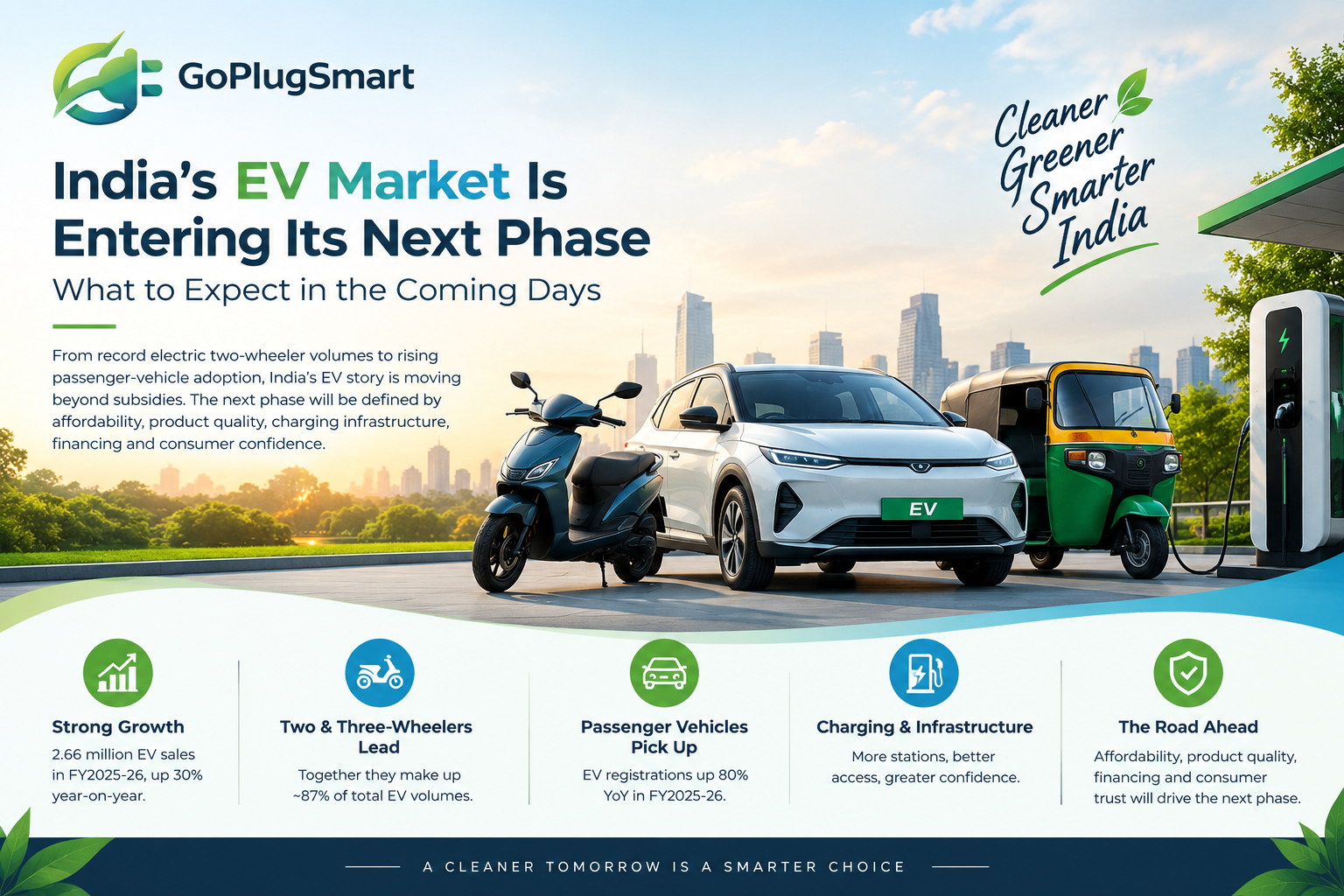
From record electric two-wheeler volumes to rising passenger-vehicle adoption, India’s EV story is moving beyond subsidies. The next phase will be defined by affordability, product quality, charging infrastructure, financing and consumer confidence.
India’s electric-vehicle market appears to be entering an important transition. For several years, the EV narrative was largely about government incentives, early adopters and the emergence of new electric brands. That is changing. The latest registration and retail trends suggest that electric mobility is increasingly becoming part of the mainstream automobile market — particularly in two-wheelers and three-wheelers.
The question now is not simply whether Indians will buy EVs. It is how quickly EVs can move from being an alternative powertrain to becoming a mainstream choice across vehicle categories. The numbers from 2026 provide some useful clues.
EV adoption is accelerating, but the growth story is not uniform
India recorded around 2.66 million EV sales in FY2025-26, according to data compiled from the Vahan ecosystem, representing growth of nearly 30% over the previous financial year. EVs accounted for approximately 8.6% of total automotive sales during the year. The composition of those sales is important. Two-wheelers and three-wheelers together represented almost 87% of India’s EV volumes in FY2025-26. This reinforces an important characteristic of the Indian market: electrification is likely to happen at different speeds across different vehicle categories.
The economics are particularly compelling for high-utilisation two- and three-wheelers, where lower running and maintenance costs can have a more immediate impact on the ownership equation. That is already visible in the latest numbers.
Electric two-wheelers crossed 200,000 monthly retail sales for the first time in July 2026, reaching 205,629 units. August subsequently recorded 182,936 units — lower sequentially, but still 67% higher than August 2025.
Cumulatively, electric two-wheeler sales had crossed 1.36 million units during January-August 2026.That suggests that the August decline should not necessarily be interpreted as a reversal. Rather, the market appears to be moving through normal monthly volatility while maintaining a substantially higher underlying volume than a year earlier.
Coming weeks are particularly important because India’s automobile market is entering the festive-demand period.The broader automotive market has already shown considerable momentum. FADA data for August 2026 showed total vehicle retail registrations of more than 2.42 million units, an increase of 17.5% year-on-year.
More interestingly, electric vehicles reached 10.68% penetration in the two-wheeler segment and 7.63% in passenger vehicles during August.
FADA President Sai Giridhar described the upcoming September-November period as the real test of whether the industry’s strong August performance converts into sustained retail demand.
For EV manufacturers, the festive period could therefore provide a clearer indication of whether 2026’s growth is being driven by temporary factors or by a deeper structural shift in consumer preference.
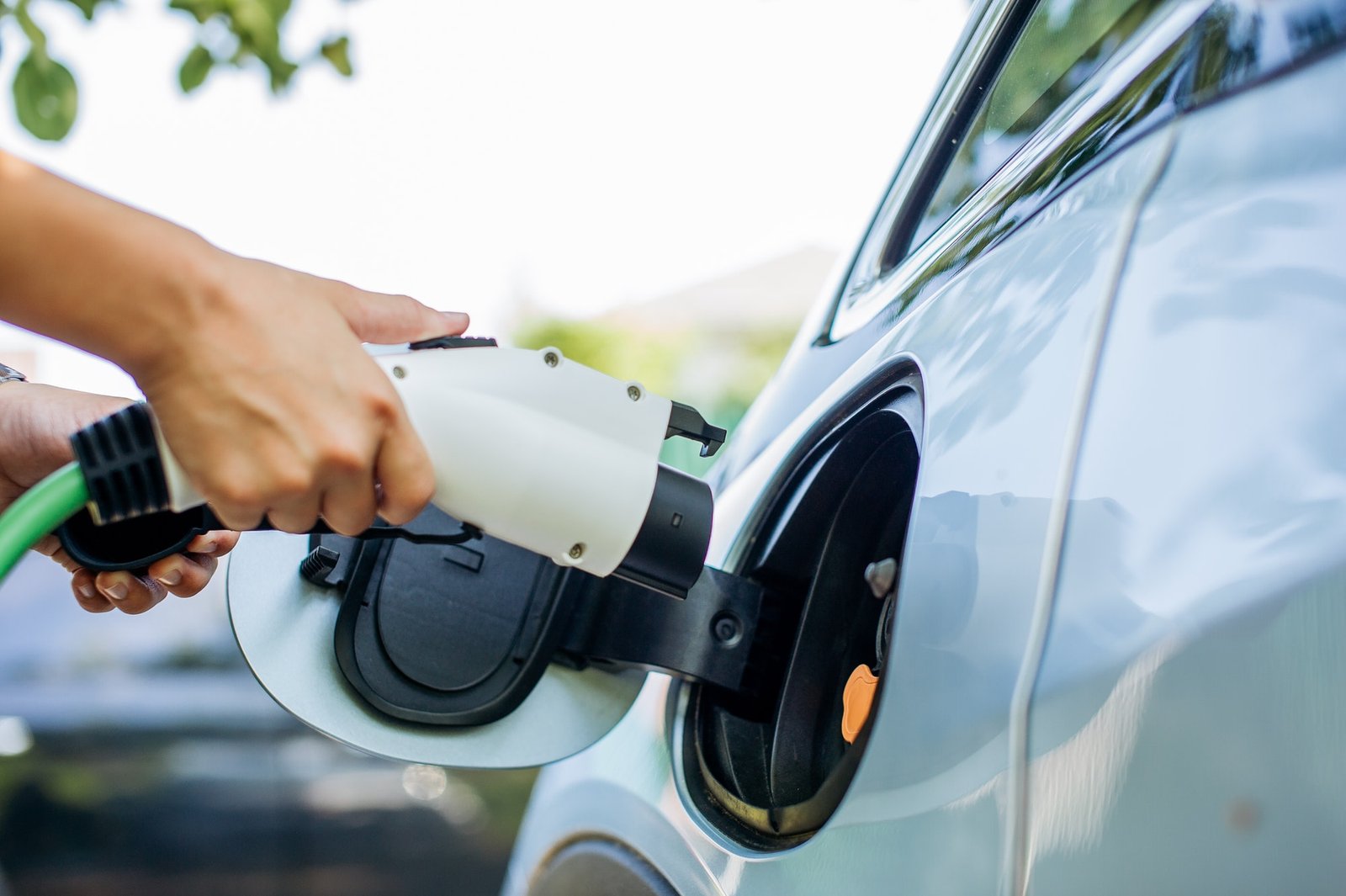
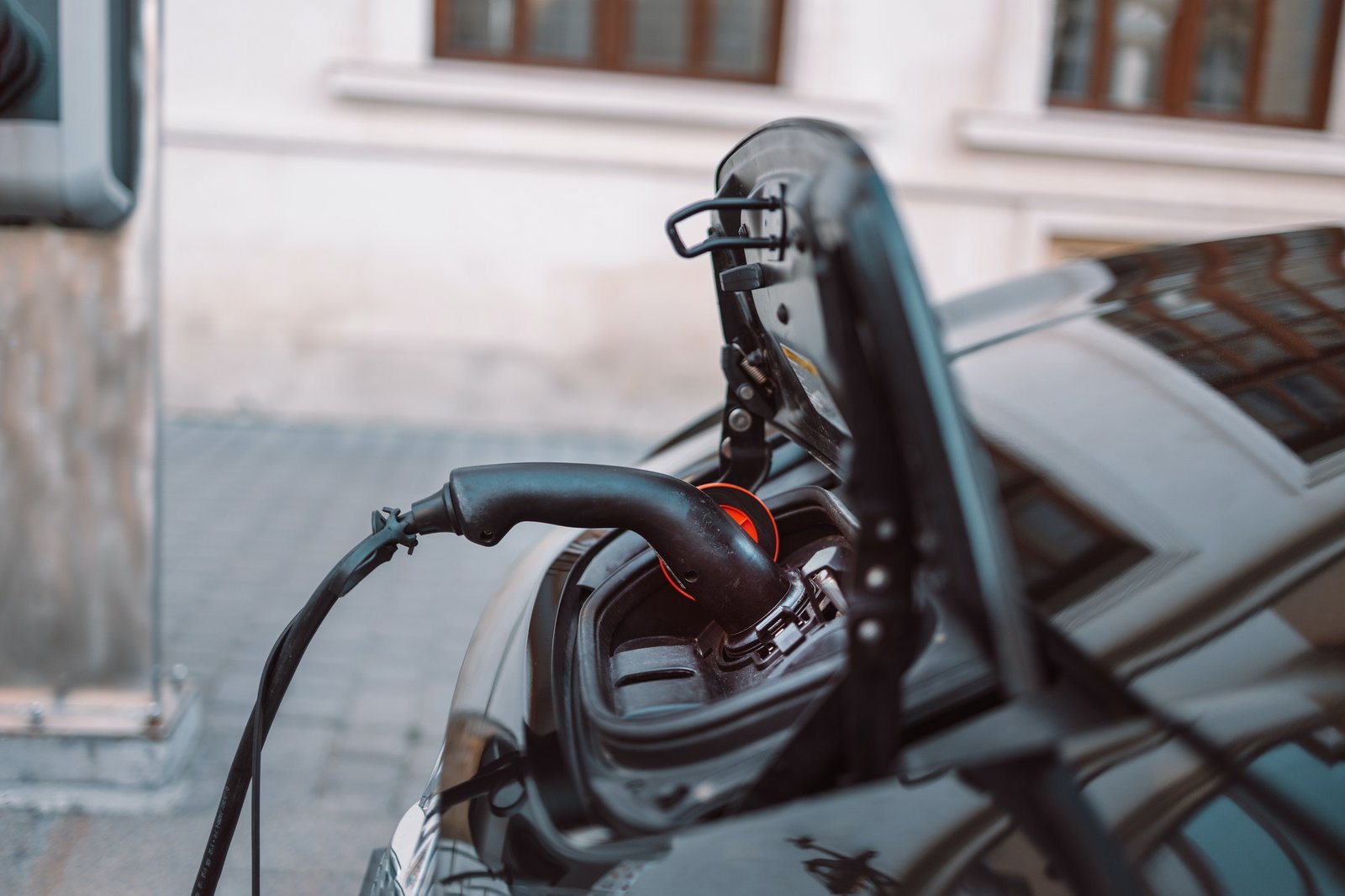
The passenger-vehicle EV market remains considerably smaller than the electric two-wheeler market, but the direction is noteworthy. SIAM reported that registrations of electric passenger vehicles increased by more than 80% in FY2025-26 compared with the previous year.
August 2026 also produced an important signal: alternative-fuel passenger vehicles — CNG, hybrids and EVs combined — accounted for 41.95% of passenger-vehicle retail sales, marginally ahead of petrol/ethanol at 40.85%.
That does not mean EVs themselves have overtaken petrol. EVs represented 7.63% of passenger-vehicle retail sales in that month. But it does indicate that the Indian consumer’s powertrain decision is becoming more diversified.
The market is increasingly no longer a simple petrol-versus-diesel conversation. Consumers are comparing petrol, CNG, hybrid and electric vehicles on price, running costs, range, resale value, technology and convenience. That shift could be strategically significant for EV manufacturers.
The subsidy era is giving way to the value era. One of the biggest developments in the EV market is the gradual reduction and restructuring of direct purchase incentives.
The government’s PM E-DRIVE programme was originally designed with an outlay of ₹10,900 crore. The scheme has subsequently been extended to March 2028 for several segments, although the demand-incentive window for e-two-wheelers has had its own terminal dates and revisions.
By July 2026, the government reported that more than 20.5 lakh e-two-wheelers had been incentivised under PM E-DRIVE, alongside incentives for electric three-wheelers. The implication for manufacturers is straightforward: products increasingly need to stand on their own economics.
The next successful EV products are likely to compete not only on headline price, but on the complete ownership proposition:
– Battery size and usable range
– Charging time
– Warranty
– Battery life
– Financing availability
– Software and connected features
– Service-network reach
– Resale confidence
– Insurance and maintenance costs
– Real-world performance
In other words, the Indian EV market is gradually moving from “How much subsidy do I get?” to “What do I get for my money? “Charging infrastructure remains a critical piece
Range anxiety has been one of the most persistent barriers to EV adoption. But infrastructure is expanding. The Ministry of Heavy Industries reported in July 2026 that India had 52,718 public charging stations, including 16,561 public stations equipped with fast chargers for cars.
The PM E-DRIVE programme has also allocated ₹2,000 crore toward public EV charging infrastructure.
This is important because charging infrastructure does not need to reach petrol-station-like density everywhere before EV adoption can grow. What matters initially is whether charging becomes sufficiently predictable along the routes and in the locations where EV owners use their vehicles.
For two-wheelers, home and workplace charging can make ownership considerably easier. For passenger vehicles, highway fast-charging availability becomes increasingly important.The next phase of infrastructure growth will therefore need to focus not only on the number of chargers, but also on reliability, uptime, interoperability, payment convenience and geographic coverage.
Competition is about to become more intense
Another feature of the next EV cycle will be increasing competition.The electric two-wheeler market has already moved well beyond its early-startup phase. TVS, Bajaj Auto, Ather, Hero and other established manufacturers have captured significant volumes alongside newer EV companies.
In August 2026, the four leading players — TVS Motor, Bajaj Auto, Ather Energy and Hero MotoCorp’s Vida — accounted for roughly three-quarters of electric two-wheeler retail sales.
This concentration suggests that scale, distribution and after-sales support are becoming increasingly important. At the same time, new manufacturers continue to enter the market, and existing companies are expanding capacity.
For example, Ultraviolet announced plans for an approximately $82 million manufacturing facility in Tamil Nadu, with an initial annual capacity of 250,000 vehicles and potential expansion to 500,000.
This is a useful indicator of how manufacturers are thinking about the market: not merely as a niche opportunity, but as a potentially large-scale mobility category.
What should we expect in the coming months?
Rather than expecting one dramatic inflection point, the Indian EV market is likely to experience several changes simultaneously.
The economics, relatively smaller batteries, lower running costs and urban use cases make electric two-wheelers particularly well suited to India’s market. McKinsey estimates that electric two-wheelers could represent around 40-45% of India’s two-wheeler sales by FY-2030. That is a projection, not a guaranteed outcome, but the current trajectory shows why the segment is receiving so much attention.
The next battleground is likely to be the combination of price + range + reliability + service. Premium technology will continue to matter, but manufacturers that can bring compelling products into mainstream price brackets could expand the addressable market considerably.
Passenger EV adoption is increasing, but the transition is structurally more complicated than for two-wheelers. Larger batteries, higher vehicle prices, charging requirements and longer ownership cycles make the purchase decision more involved.The growth of hybrids and CNG also means EV manufacturers will compete against multiple alternatives rather than simply against internal-combustion cars.
As upfront EV prices remain a consideration for consumers, attractive financing, leasing, subscriptions and battery-related ownership models could influence adoption. For many buyers, the monthly payment and expected running cost may matter more than the vehicle’s absolute sticker price.
The industry is moving from asking whether charging infrastructure exists to asking whether it is convenient and dependable.OEMs, charging operators, energy companies and property developers will increasingly have to work together to create a seamless charging experience.
The battery remains one of the most important cost and technology components of an EV.As battery costs, chemistry, localisation and recycling ecosystems evolve, manufacturers that can improve range and durability without substantially increasing vehicle prices could gain an advantage.
The bigger picture: India’s EV market is becoming less about EVs
Perhaps the most important change is that electrification is increasingly becoming part of a much broader transformation in the automobile industry.
The consumer is not necessarily walking into a showroom thinking, “I want an EV.” Increasingly, the consumer is asking:
What vehicle gives me the lowest overall cost, the right range, reliable service, useful technology and the least ownership hassle?
That is a very different question.
And it is potentially the question that takes EVs from an emerging category to a mainstream one.
“As SIAM President Shailesh Chandra noted while discussing FY2025-26,” India’s auto industry ended the year with record sales across vehicle categories, while the increase in electric passenger-vehicle registrations was one of the contributors to the market’s growth.”
The next phase will test whether that momentum can continue without relying primarily on incentives.
Conclusion: The EV story is moving from adoption to execution
The data does not suggest that every EV segment will grow at the same speed, nor that internal-combustion vehicles are about to disappear.
Instead, the evidence points towards a more nuanced transition.
Electric two-wheelers are already moving rapidly toward mainstream adoption. Three-wheelers have achieved very high electrification levels. Passenger EVs are growing from a smaller base. Charging infrastructure is expanding. Established automakers are investing more heavily, while new players are adding manufacturing capacity.
The coming months — particularly the festive selling season — will provide an important test of consumer demand.
But the bigger story extends beyond the next few months.
India’s EV market is gradually shifting from a policy-led adoption story to a consumer-led market.
And in that market, the winners will ultimately have to convince customers not merely that electric vehicles are cleaner, but that they are better products to own, use and live with.
(+62)81 238 1991

GoPlugSmart is a smart EV charging station locator and trip-planning solution that helps EV owners find nearby charging stations, plan efficient routes, and travel with confidence. It is designed to reduce range anxiety, GoPlugSmart makes electric journeys seamless, reliable, and sustainable.
Subscribe to our newsletter to receive updates on EV charging technology, new installations, sustainability insights, and company news.
Copyright © 2026 | GoPlugSmart
WhatsApp us
 By Logixweb